

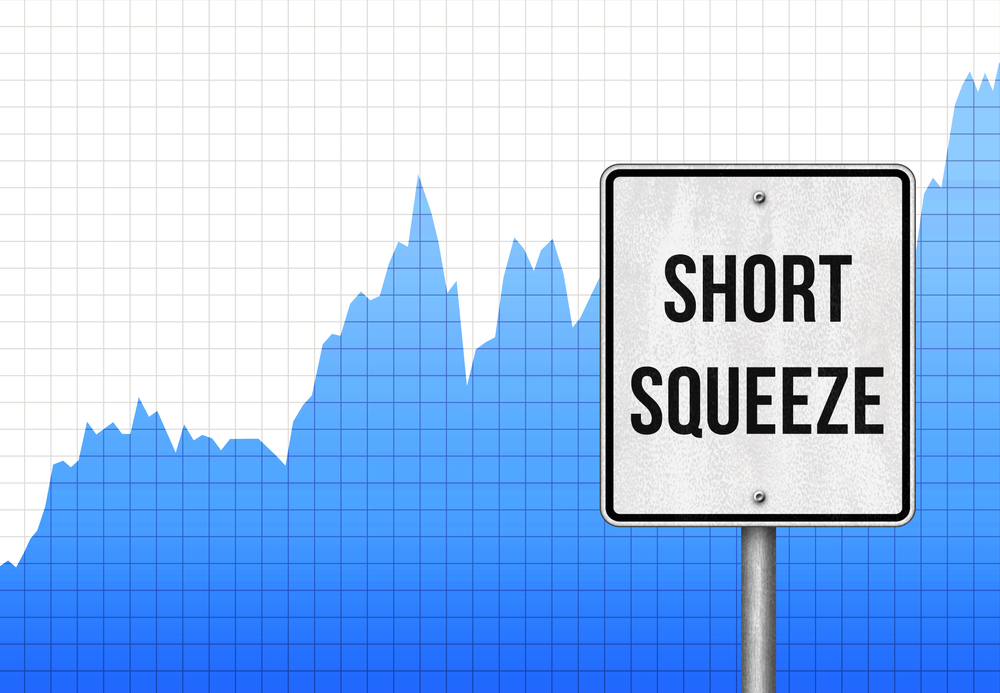
A short squeeze in the stock market is usually an explosive event in the stock market. Here, we explain what a short squeeze is, how it works, what triggers it, warning signs, examples, risks, and how traders take advantage of it for profitability.
What Is a Short Squeeze in Stocks?
A short squeeze occurs when traders (usually short-sellers) bet that a stock will fall and are forced to buy shares to exit their losing positions. This forced buying increases demand dramatically, causing the stock price to shoot up even faster.
Short sellers borrow shares and sell them at a high price, hoping to buy them back at a lower price. If the price of the stock rises instead, they begin losing money. When losses become too large, brokers force them to close.
Closing their position compels them to buy back their shares, and this creates a surge of buying pressure. This forced buying drives the stock price up rapidly, causing a snowball effect where more short-sellers are forced to cover, leading to massive and fast price rallies.
How a Short Squeeze Works
A short squeeze starts when a stock is heavily shorted, meaning a lot of traders are betting its price will drop. Then something unexpected happens: positive news, solid earnings, or even social media hype triggers strong buying pressure. As the price begins to rise, short sellers start losing money and are forced to buy back the shares they borrowed to limit their losses. This "covering" creates even more buying pressure, which drives the price up even faster.
What really fuels a short squeeze is the margin call. Short sellers trade on margin, and their accounts must maintain a minimum equity level. When the stock price jumps, their losses increase, and their account equity drops. Once it falls below the required level, the broker issues a margin call demanding more funds. If the short seller doesn't add the money immediately, the broker steps in and closes the position by buying shares at whatever price the market offers. This forced buying accelerates the upward move and turns it into a loop that pushes prices even higher.
As the squeeze intensifies, panic buying sets in. Short sellers scramble to escape, while momentum traders jump in to ride the spike. The combination of forced buy-backs and aggressive buying creates the explosive price surge we know as a short squeeze, where a stock skyrockets in a very short time.
Depending on factors like market liquidity and demand, a short squeeze can be a volatile event lasting anywhere from minutes to hours or even days.
Related Read: Why the Pattern Day Trader Rule Exists and How Smart Traders Work Around It
What Causes a Short Squeeze?
A variety of events can cause a sudden upward surge in a stock's price, forcing short sellers to buy back shares:
- Positive Earnings Surprises: Companies that significantly exceed market expectations in their earnings reports often initiate a short squeeze.
- Bullish News Events: Major, unexpected announcements such as a new partnership, an acquisition, or significant funding can invalidate the bearish outlook, triggering a squeeze.
- Coordinated Retail Trader Activity: Mass buying driven by social media platforms (e.g., Reddit, Twitter) can create powerful, immediate upward momentum.
- Substantial Institutional Investment: When large funds begin accumulating shares in volume, short sellers often panic and cover their positions.
- Market Maker Hedging (Gamma Squeeze): The forced buying action by market makers to hedge written call options puts strong upward pressure on the stock's price.
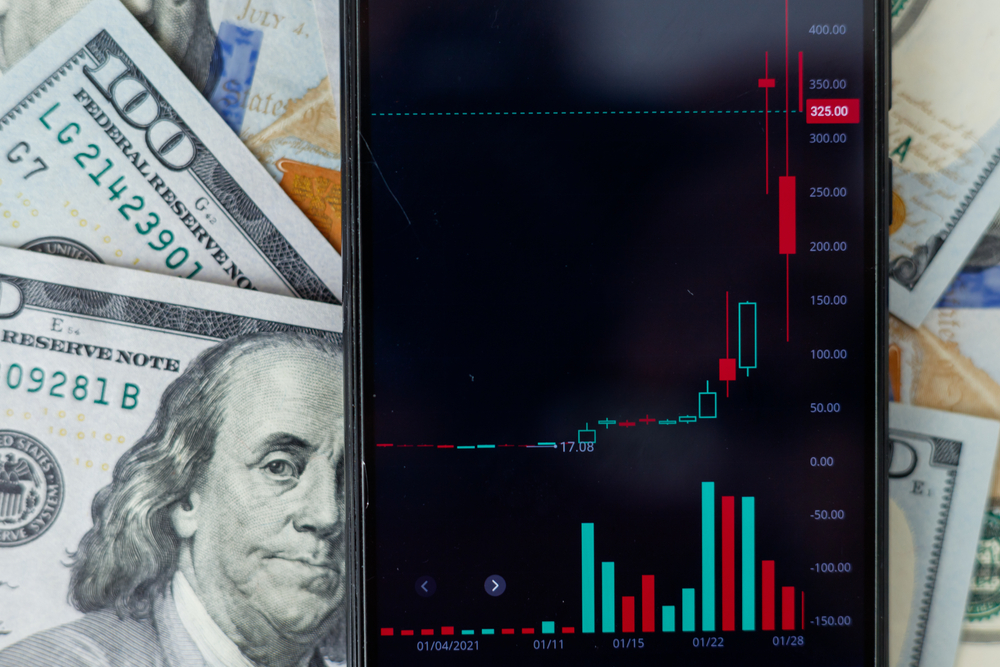
A famous short squeeze to remember is the iconic GameStop short squeeze in 2021, with short interest exceeding 140% and retail traders driving the stock from $20 to $483. Another historic case was Volkswagen in 2008, when a surprise move made VW briefly the world's most valuable company as its share price skyrocketed from €210 to €1,005 in just two days. AMC Entertainment also saw a dramatic squeeze in 2021, rising from $2 to $72 due to heavy short interest and coordinated retail buying. Tesla experienced multiple squeezes between 2019 and 2020 as short sellers underestimated the company's growth, leading hedge funds to suffer billions in losses. Short squeezes can severely punish unprepared short sellers while massively rewarding early buyers.
Is a Short Squeeze Legal?
A short squeeze, short selling, and buying a heavily shorted stock are all completely legal. What isn't legal are practices like market manipulation, coordinated pump-and-dump schemes, spreading false information to move the price, or trading based on insider information. Simply buying a stock because you believe it will go up, even if a squeeze is happening, is not illegal.
But it is important to note that trading a stock caught in a squeeze comes with serious risks, and you need to manage them properly. No matter how big or small your position is, set a clear limit on how much you're willing to lose before you enter the trade. Risk control is everything.
Also, be cautious when a stock with weak fundamentals suddenly starts skyrocketing without any real change in the company's performance or outlook. Moves like that often rely on hype, and once new buyers stop stepping in, the momentum can fade fast. When that happens, the price can crash just as quickly as it went up, so trade carefully and stay aware of the risks.
How Traders Take Advantage of Short Squeezes
Here are five key strategies for traders looking to capitalize on a potential short squeeze:
- Enter Early with Share Purchases: Traders aim to establish a position either before the short squeeze begins or as momentum first starts to build.
- Utilize Call Options for Leverage: Buying call options provides a way to gain leveraged exposure to the potential upside of the stock's movement.
- Monitor High-Short-Interest Scanners: Use specialized tools to track stocks where the percentage of shares sold short is significantly high, often above 20%.
- Practice Strict Risk Management: Short squeezes are highly volatile and unpredictable; a profit can quickly turn into a loss, so disciplined risk controls are essential.
- Track Volume and Price Action: A stock's price increasing simultaneously with a significant surge in trading volume is a strong, common indicator of an imminent short squeeze.
Risks of Trading Short Squeezes
Trading short squeezes can be highly profitable, but the associated risks are significant:
- Extreme Price Swings: Expect intense volatility, with prices potentially spiking between 100% and 500%, often followed by rapid crashes.
- Execution Challenges: Issues like slippage and poor liquidity are common.
- Emotional Trading: The Fear of Missing Out (FOMO) often leads to impulsive decisions.
- Risk of Large Losses: Buyers who enter the trade late are exposed to the risk of substantial financial loss.
NB: Never participate in a short squeeze without a clear strategy. Prioritize the protection of your investment capital above all else.
How to Identify a Short Squeeze Early
A short squeeze is highly probable if these six factors occur at the same time:
- High Short Interest: Short interest exceeds 20%.
- High Days to Cover: Days to cover are greater than 3.
- Increasing Borrow Fees: The cost to borrow shares is rising.
- Low Float: The share float is less than 50 million shares.
- Rising Volume: Trading volume is increasing.
- Price Resilience: The stock price is climbing despite prevailing negative sentiment.
To learn more about short squeezes in stocks, click here.
Conclusion
When you notice a stock rising rapidly, it is experiencing a short squeeze. And this is triggered by short sellers rushing to buy back shares after the stock moves against them.
While short squeezes can offer traders substantial profits, they are incredibly volatile, making it essential for traders to combine solid research, market fundamentals, price action analysis, and sound risk management, as successful trading relies on discipline, not chance.
Read More: Where Can I Find Reliable Real-Time Market Data for Day Trading?
Sources
- Charles Schwab: What's a Short Squeeze and Why Does It Happen?
- Investopedia: Short Squeeze
Frequently Asked Questions
What happens after a short squeeze?
Price usually crashes back down once buying pressure stops, that is, as soon as the buying interest subsides.
Can a short squeeze last multiple days?
Yes, the extraordinary volume allowed the GME and VW short squeezes to last for days.
Is it risky to buy during a short squeeze?
Yes, and this is because the risk is very high. While significant profits are possible, rapid losses can occur if the price reverses.
Can retail traders cause a short squeeze?
Yes. The most famous recent short squeeze was demonstrated by GameStop. The price of the stock dramatically surged from $20 to $483 after retail traders coordinated massive buying efforts.
What is the difference between short covering and a short squeeze?
Short covering is the normal process by which short sellers exit their positions. In contrast, a short squeeze occurs when short sellers exit their positions in a panic due to significant losses.
Are short squeezes predictable?
Not perfectly, but indicators help identify high-probability setups.
Why do hedge funds short stocks heavily?
They take this position because they perceive the company as either overvalued or financially unstable.
Follow Us On Social Media